Introduction
With growing environmental concerns and strict regulatory frameworks in India, treating industrial wastewater is no longer optional—it’s a necessity. An Effluent Treatment Plant (ETP) helps industries meet compliance requirements, protect natural resources, and adopt sustainable water management practices.
What is an Effluent Treatment Plant?
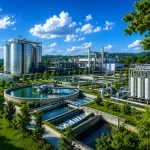
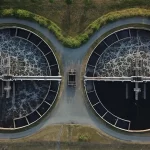
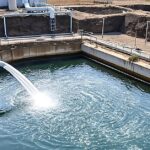
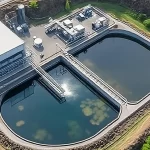
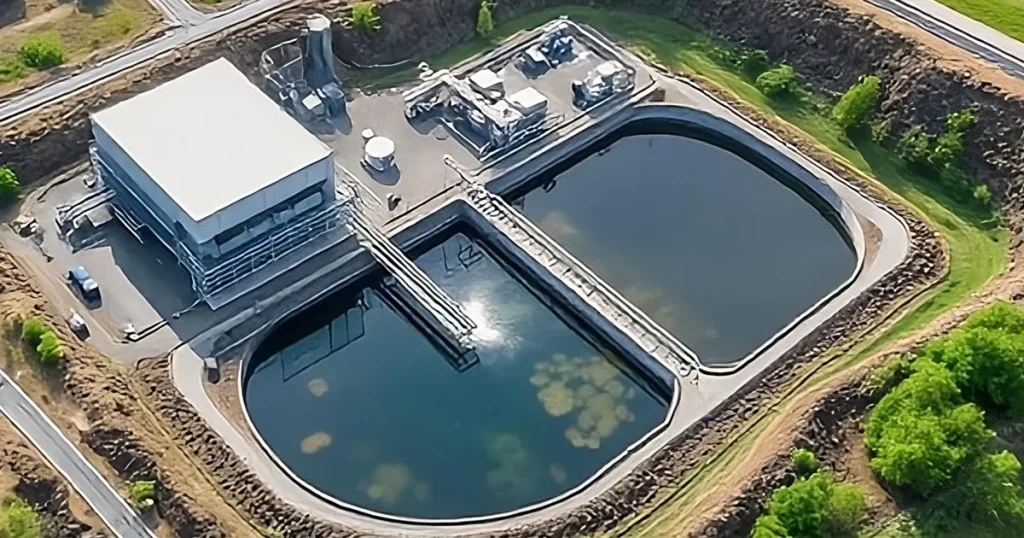
An Effluent Treatment Plant is designed to treat industrial wastewater by removing harmful pollutants through physical, chemical, and biological processes. Once treated, the water can either be discharged safely into the environment or recycled for industrial use, reducing dependency on freshwater.
Why ETPs are Essential for Industries
1. Environmental Protection
ETPs prevent untreated effluents from polluting rivers, lakes, and groundwater. By removing toxins, heavy metals, and organic matter, they safeguard ecosystems and contribute to India’s efforts toward cleaner water bodies.
2. Regulatory Compliance
The Central Pollution Control Board (CPCB) and State Pollution Control Boards (SPCBs) mandate industries to treat wastewater before discharge. An ETP ensures compliance, helps avoid penalties, and keeps operations running smoothly.
3. Water Reuse and Conservation
With water scarcity becoming a serious issue in many parts of India, ETPs allow industries to recycle treated water for non-potable uses such as cooling, cleaning, or landscaping. This reduces freshwater dependency and operating costs.
4. Cost Efficiency
While setting up an ETP requires investment, it pays off by reducing fines, lowering water procurement costs, and minimizing waste handling expenses. In some cases, treated by-products like sludge can also be reused productively.
5. Corporate Responsibility and Sustainability
Adopting an ETP highlights an organization’s commitment to sustainability, which strengthens brand reputation and aligns with the growing preference of customers, investors, and global partners for eco-conscious businesses.
6. Public Health Safeguarding
By preventing toxic effluents from entering local water sources, ETPs protect surrounding communities from health risks and promote a safer living environment.
Industries That Need Effluent Treatment Plants
- Textile and dye processing
- Pharmaceuticals and chemicals
- Food and beverage manufacturing
- Pulp and paper mills
- Leather and tanning units
- Automotive and metal finishing
Each of these sectors generates specific wastewater challenges, which can be effectively addressed through customized ETP solutions.
Common Effluent Treatment Plants (CETPs)
In industrial clusters with many small and medium enterprises (SMEs), setting up individual plants may not be viable. CETPs provide a shared, cost-effective wastewater treatment option that ensures compliance and keeps entire industrial zones cleaner.
Conclusion
Effluent Treatment Plants are not just regulatory requirements—they are strategic investments. For Indian industries, they represent environmental responsibility, long-term cost savings, and a pathway toward sustainable growth. Implementing an ETP ensures compliance, protects natural resources, and builds a stronger reputation in today’s environmentally conscious market.