
Blog

Stay informed with the latest updates, trends, and expertise from the Clear Water team.
Group-43

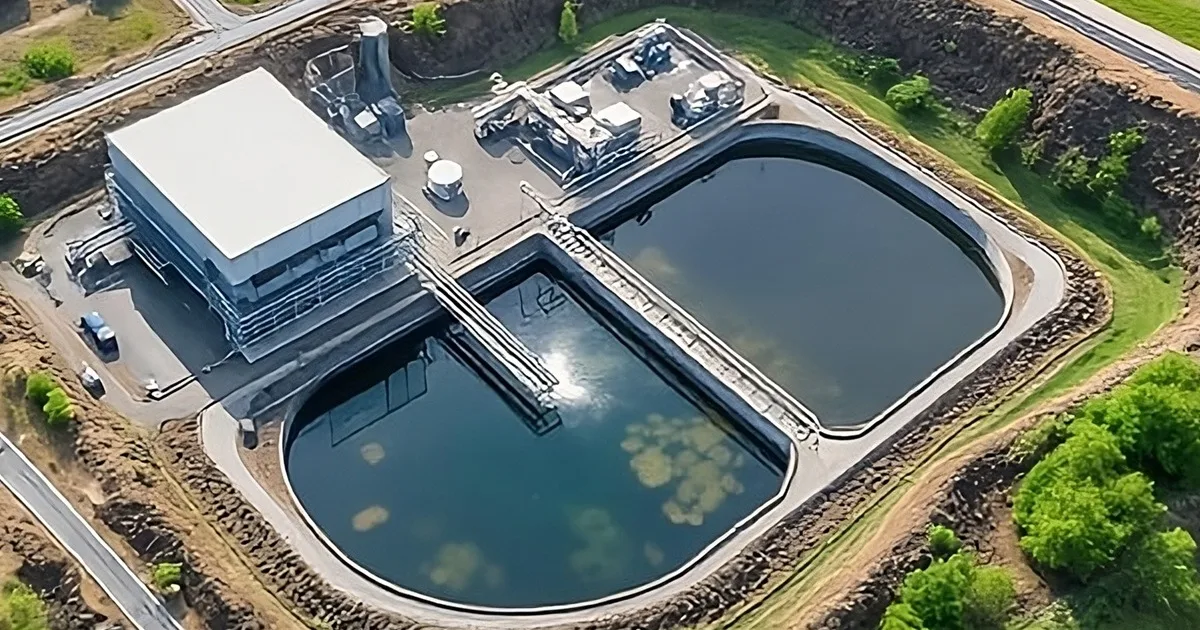
TThe food and beverage industry wastewater treatment process is a critical component of sustainable operations. With increasing environmental regulations and growing demand for eco-friendly production, companies must adopt sustainable wastewater treatment solutions to minimize environmental impact and improve efficiency.

Wastewater generated in the food and beverage sector contains high levels of organic matter, fats, oils, grease (FOG), and nutrients. Implementing effective wastewater management practices helps businesses reduce costs, comply with regulations, and support sustainability goals.

Understanding Wastewater Challenges in the Food and Beverage Industry

Food and beverage wastewater treatment is complex due to varying production processes. Common wastewater characteristics include:

  • High biochemical oxygen demand (BOD) and chemical oxygen demand (COD)
  • Presence of suspended solids
  • Fats,
  •  oils, and grease (FOG)
  • Nutrients like nitrogen and phosphorus

Without proper industrial wastewater treatment, these contaminants can harm ecosystems and lead to regulatory penalties.

1. Source Reduction and Water Conservation

One of the most effective sustainable wastewater treatment practices is reducing water use at the source. Companies can:

  • Install water-efficient equipment
  • Use dry cleaning before washing
  • Recycle and reuse process water
  • Monitor usage with smart systems

Reducing water consumption lowers the load on wastewater treatment systems and cuts operational costs.

2. Segregation of Waste Streams

Separating wastewater streams improves wastewater treatment efficiency. For example:

  • Isolating high-strength wastewater
  • Removing solids before drainage
  • Managing FOG-heavy streams separately

This approach enhances the performance of food processing wastewater treatment systems.

3. Pre-Treatment Processes

Pre-treatment is essential in industrial wastewater treatment for food and beverage facilities. Common methods include:

  • Screening for large particles
  • Sedimentation tanks
  • Dissolved Air Flotation (DAF) systems

DAF systems are widely used in food industry wastewater treatment to remove oils, grease, and suspended solids, reducing BOD and COD levels.

4. Biological Treatment Systems

Biological processes are key to sustainable wastewater treatment in the food industry.

Aerobic Treatment

  • Uses oxygen for microbial breakdown
  • Includes activated sludge systems
  • Suitable for moderate organic loads

Anaerobic Treatment

  • Operates without oxygen
  • Produces biogas for energy recovery
  • Ideal for high-strength wastewater

Anaerobic wastewater treatment is gaining popularity due to its ability to generate renewable energy and reduce sludge.

5. Advanced Treatment Technologies

Advanced technologies help meet strict discharge standards and support water reuse in the food and beverage industry:

  • Membrane filtration (UF, RO)
  • UV disinfection
  • Advanced oxidation processes

These methods ensure high-quality treated water, supporting sustainable water management.

6. Resource Recovery and Circular Economy

Modern wastewater treatment in the food and beverage industry focuses on resource recovery. Businesses can:

  • Generate biogas from anaerobic digestion
  • Recover nutrients for fertilizers
  • Reuse treated water

This aligns with circular economy principles and improves sustainability.

7. Sludge Management and Disposal

Effective sludge handling is crucial in industrial wastewater management. Best practices include:

  • Sludge dewatering
  • Composting organic waste
  • Safe disposal

Proper sludge management reduces environmental risks and enhances wastewater treatment sustainability.

8. Automation and Smart Monitoring

Digital tools improve wastewater treatment efficiency by enabling:

  • Real-time monitoring
  • Automated control systems
  • Predictive maintenance

Smart technologies optimize food and beverage wastewater treatment systems and reduce energy consumption.

9. Regulatory Compliance

Compliance with environmental standards is essential in industrial wastewater treatment. Companies must meet:

  • Effluent discharge limits
  • Water reuse regulations
  • Environmental reporting requirements

Adopting sustainable wastewater treatment solutions ensures compliance and avoids penalties.

10. Employee Training and Sustainability Culture

A strong sustainability culture enhances wastewater management in the food industry. Companies should:

  • Train employees on best practices
  • Promote water conservation
  • Encourage responsible waste handling

Well-trained staff improve the effectiveness of wastewater treatment processes.

Benefits of Sustainable Wastewater Treatment

Implementing best practices for wastewater treatment in the food and beverage industry offers:

  • Reduced environmental impact
  • Lower operational costs
  • Regulatory compliance
  • Improved brand reputation
  • Resource recovery opportunities

Conclusion

Adopting sustainable wastewater treatment in the food and beverage industry is essential for long-term success. By integrating advanced technologies, water conservation strategies, and resource recovery methods, businesses can achieve both environmental and economic benefits. dustry is essential for long-term success. By integrating advanced technologies, water conservation strategies, and resource recovery methods, businesses can achieve both environmental and economic benefits.
TThe food and beverage industry wastewater treatment process is a critical component of sustainable operations....

As industries expand and water scarcity intensifies, industrial wastewater recycling has become a crucial step toward sustainability. Traditional methods of wastewater disposal are no longer viable due to environmental regulations and the growing demand for water conservation. By investing in advanced water treatment technologies, industries can not only reduce their ecological footprint but also transform wastewater into a valuable resource.

This article explores the top five advantages of recycling industrial wastewater—highlighting how it supports sustainability, cost-efficiency, and regulatory compliance.

1. Significant Reduction in Freshwater Consumption

One of the most immediate benefits of industrial wastewater recycling is the substantial reduction in freshwater usage. Many industries, including textiles, chemicals, food processing, and power generation, consume vast quantities of water daily for cooling, cleaning, and processing activities.

By recycling treated wastewater, industries can:

  • Reuse the recovered water for non-potable applications like boiler feed, cooling towers, or irrigation.
  • Decrease dependency on municipal or groundwater sources.
  • Mitigate the effects of local water scarcity, especially in regions facing drought or high water stress.

Incorporating Membrane Bioreactors (MBR), Reverse Osmosis (RO), and Advanced Oxidation Processes (AOPs) enables industries to achieve high-quality water recovery that meets stringent reuse standards. This approach not only conserves freshwater but also supports long-term sustainability goals.

2. Lower Operational and Disposal Costs

Recycling industrial wastewater can lead to significant cost savings in the long run. Discharging untreated wastewater is not only environmentally harmful but also expensive due to high treatment and disposal fees, transportation costs, and regulatory penalties.

By adopting an on-site wastewater treatment and recycling system, companies can:

  • Minimize expenses related to freshwater procurement.
  • Reduce wastewater discharge volumes, cutting down on disposal and compliance costs.
  • Recover valuable by-products (such as salts, nutrients, or chemicals) that can be reused in the production process.

Modern Zero Liquid Discharge (ZLD) systems have made it possible for industries to eliminate liquid waste entirely, converting wastewater into reusable water and solid residues suitable for safe disposal or reuse. Over time, these savings can outweigh the initial investment in wastewater recycling infrastructure.

3. Enhanced Environmental Compliance and Corporate Responsibility

With stricter environmental laws and discharge norms, industries face increasing pressure to manage effluents responsibly. Recycling wastewater helps industries stay compliant with local and global environmental regulations, avoiding legal and reputational risks.

Regulatory agencies like the Central Pollution Control Board (CPCB) in India, and global frameworks such as ISO 14001 Environmental Management Systems, emphasize wastewater reuse as a sustainable practice. Implementing wastewater recycling demonstrates a company’s commitment to:

  • Reducing pollution loads in nearby water bodies.
  • Lowering chemical and nutrient discharges.
  • Meeting discharge standards without incurring penalties.

Moreover, customers and stakeholders increasingly value environmentally responsible brands. By promoting wastewater recycling as part of their sustainability narrative, companies strengthen their brand image and attract eco-conscious clients and investors.

4. Improved Resource Efficiency and Circular Economy Integration

The concept of a circular economy focuses on maximizing resource efficiency and minimizing waste. Industrial wastewater recycling aligns perfectly with this principle by turning waste into a reusable resource.

Recycling enables industries to:

  • Recover and reuse water multiple times within operations.
  • Extract useful materials (such as metals or minerals) from wastewater.
  • Reduce raw material consumption and overall waste generation.

For example, in the food and beverage industry, treated wastewater can be reused for cleaning equipment, cooling, or gardening—reducing the plant’s total water footprint. Similarly, chemical industries can recover valuable reagents or solvents, contributing to cost savings and waste minimization.

By adopting smart water management systems integrated with IoT and AI-based monitoring, industries can optimize water use in real-time, enhancing both efficiency and sustainability.

5. Strengthened Business Sustainability and Future Readiness

Sustainability is no longer optional—it’s a business imperative. Industries that adopt wastewater recycling and reuse position themselves as future-ready organizations capable of adapting to evolving environmental and economic challenges.

The long-term benefits include:

  • Resilience against water shortages: Industries become less dependent on external water sources.
  • Positive ESG (Environmental, Social, Governance) ratings: Enhancing corporate sustainability performance.
  • Innovation and leadership: Early adopters of water recycling technologies often lead their sectors in sustainability rankings.

Moreover, as governments increasingly incentivize water-efficient practices through subsidies or tax benefits, businesses can further improve profitability while contributing to national sustainability goals.

How Clear Water Supports Industrial Wastewater Recycling

At Clear Water, we specialize in designing and implementing advanced wastewater treatment and recycling solutions tailored to industrial needs. Our expertise spans across sectors like pharmaceuticals, textiles, food & beverage, and manufacturing. With cutting-edge technologies such as MBBR, RO, AOPs, and Zero Liquid Discharge (ZLD) systems, we help industries achieve:

  • Maximum water recovery and reuse.
  • Energy-efficient operations.
  • Full regulatory compliance.
  • Sustainable water management across processes.

By partnering with Clear Water, industries can not only meet environmental goals but also build a sustainable, cost-effective, and future-ready operation.


Conclusion

Recycling industrial wastewater is more than an environmental necessity—it’s a strategic investment that delivers long-term economic, regulatory, and social benefits. From conserving freshwater and reducing costs to strengthening sustainability credentials, the advantages are undeniable.

As industries continue to face mounting water challenges, adopting innovative wastewater recycling technologies is the way forward. By choosing sustainable partners like Clear Water, organizations can lead the transition toward a water-secure, eco-conscious future.

As industries expand and water scarcity intensifies, industrial wastewater recycling has become a crucial step...

As industries face tighter environmental regulations and growing pressure to reduce operational costs, adopting energy-efficient wastewater treatment technologies is essential. Traditional treatment approaches often consume large amounts of electricity — especially in aeration and sludge handling — making energy optimization a priority for facilities aiming to cut carbon emissions and improve margins. This article outlines practical, energy-smart wastewater technologies industries should consider and explains how they deliver performance, cost savings, and regulatory compliance.

Why energy efficiency matters in industrial wastewater treatment

Industrial wastewater treatment involves multiple energy-intensive steps: aeration, biological degradation, sludge processing, and disinfection. In many plants, aeration alone represents the largest share of power consumption. Reducing energy usage in wastewater treatment directly lowers operating costs, decreases greenhouse gas emissions, and enables circular-economy outcomes such as water reuse and energy recovery. For companies pursuing ESG goals, these improvements also strengthen sustainability reporting and regulatory alignment.

Moving Bed Biofilm Reactor (MBBR) systems

MBBR systems use suspended plastic media that host biofilms, enabling high biomass concentrations in compact reactors. This design reduces tank volume and avoids the complex solids handling common in activated sludge systems. Because MBBR supports efficient biological conversion with lower hydraulic retention needs, aeration energy can be cut significantly versus conventional systems. MBBR’s modular nature also allows plants to scale capacity incrementally, which is useful for facilities with variable flows or phased expansions.

Anaerobic digestion and biogas recovery

For waste streams rich in organic matter — such as brewery, distillery, food-processing, and pulp-and-paper effluents — anaerobic digestion converts organic load into biogas (mainly methane). Captured biogas can power onsite boilers, generators, or combined heat-and-power (CHP) units, offsetting grid electricity and thermal fuel use. Anaerobic systems also reduce sludge volume and lower downstream solids-handling energy. When integrated into an energy management plan, anaerobic digestion can turn wastewater from a cost center into a source of renewable energy.

Membrane bioreactors (MBR)

MBR technology integrates biological treatment with membrane filtration to produce high-quality effluent suitable for reuse within industrial processes. Although membrane filtration historically increased energy demand, improvements such as low-pressure membranes, intermittent aeration, and smarter scouring strategies have reduced energy intensity. MBRs also reduce the need for large clarifiers and simplify solids management, making them particularly attractive where footprint is constrained and water reuse is a priority.

 Advanced oxidation processes (AOPs)

AOPs (e.g., ozone, UV/Hâ‚‚Oâ‚‚, Fenton-type systems) target persistent, toxic, or non-biodegradable pollutants that defeat conventional biology. When designed to pre-treat or post-treat strategically, AOPs improve overall system performance and reduce the need for energy-heavy polishing steps. Integrating AOPs with biological systems often lowers the total chemical and power demand compared with running AOPs in isolation, and increases the biodegradability of difficult streams so downstream biological units operate more efficiently.

Smart aeration and control systems

Since aeration drives much of a plant’s electricity bill, smart control systems dramatically improve energy profiles. Real-time sensors for dissolved oxygen (DO), ammonium, flow, and ORP, combined with adaptive control algorithms or AI, allow blowers and diffusers to run only as needed. Such systems reduce unnecessary aeration, stabilize biological performance under variable loads, enable predictive maintenance, and support remote monitoring. Retrofitting smart controls can be one of the fastest ways to realize energy savings in existing plants.

Hybrid and integrated systems

Combining technologies — for example, MBBR with MBR or MBBR with AOP — lets operators balance capital and operating expenditures while maximizing treatment efficiency. Hybrid configurations can achieve high pollutant removal with lower aeration and chemical inputs than standalone alternatives, support water reuse targets, and streamline plant layouts. The right hybrid design depends on wastewater characteristics, space limitations, and reuse objectives.

Energy recovery and resource reuse

Maximizing energy efficiency also means recovering energy and resources from wastewater. Key approaches include capturing biogas from anaerobic digestion for heat/electricity, recovering heat from effluent streams, and converting excess sludge to energy via gasification or pyrolysis in higher-load scenarios. Emerging technologies like Microbial Fuel Cells (MFCs) offer potential to extract electricity directly from organic matter, though they remain at pilot-to-demo scale for most industrial applications. Prioritizing energy recovery reduces net energy demand and opens new revenue or cost-offset opportunities.

Role of automation, IoT, and data analytics

Digitalization is a force multiplier for energy-efficient wastewater management. IoT sensors feed continuous process data into analytics platforms and digital twins, enabling performance benchmarking and identifying inefficiencies. Predictive models forecast load changes so operators can pre-emptively adjust aeration and dosing. Over time, data-driven optimization typically yields significant reductions in total energy consumption and improves uptime and compliance.

Selecting the right solution for your industry

Choosing technologies requires a site-specific assessment of wastewater composition, flow variability, available space, regulatory targets, and investment horizon. Industries should start with an energy and process audit, pilot promising technologies where feasible, and evaluate total lifecycle costs — including energy, chemicals, maintenance, and potential revenue from resource recovery. Collaboration with experienced wastewater engineering partners ensures designs align with operational realities and sustainability goals.

Conclusion

Energy-efficient wastewater treatment is both a practical necessity and a strategic advantage. MBBR, anaerobic digestion with biogas recovery, modern MBRs, targeted AOPs, and smart aeration controls each play a role depending on the industrial context. Integrated systems that prioritize energy recovery and digital optimization provide the best pathway to lower operating costs, reduced emissions, and resilient water management. By treating wastewater as a resource rather than a waste problem, industries can meet regulatory expectations while advancing sustainability and circular-economy objectives.

As industries face tighter environmental regulations and growing pressure to reduce operational costs, adopting energy-efficient...

Introduction

With growing environmental concerns and strict regulatory frameworks in India, treating industrial wastewater is no longer optional—it’s a necessity. An Effluent Treatment Plant (ETP) helps industries meet compliance requirements, protect natural resources, and adopt sustainable water management practices.

What is an Effluent Treatment Plant?

An Effluent Treatment Plant is designed to treat industrial wastewater by removing harmful pollutants through physical, chemical, and biological processes. Once treated, the water can either be discharged safely into the environment or recycled for industrial use, reducing dependency on freshwater.

Why ETPs are Essential for Industries

1. Environmental Protection
ETPs prevent untreated effluents from polluting rivers, lakes, and groundwater. By removing toxins, heavy metals, and organic matter, they safeguard ecosystems and contribute to India’s efforts toward cleaner water bodies.

2. Regulatory Compliance
The Central Pollution Control Board (CPCB) and State Pollution Control Boards (SPCBs) mandate industries to treat wastewater before discharge. An ETP ensures compliance, helps avoid penalties, and keeps operations running smoothly.

3. Water Reuse and Conservation
With water scarcity becoming a serious issue in many parts of India, ETPs allow industries to recycle treated water for non-potable uses such as cooling, cleaning, or landscaping. This reduces freshwater dependency and operating costs.

4. Cost Efficiency
While setting up an ETP requires investment, it pays off by reducing fines, lowering water procurement costs, and minimizing waste handling expenses. In some cases, treated by-products like sludge can also be reused productively.

5. Corporate Responsibility and Sustainability
Adopting an ETP highlights an organization’s commitment to sustainability, which strengthens brand reputation and aligns with the growing preference of customers, investors, and global partners for eco-conscious businesses.

6. Public Health Safeguarding
By preventing toxic effluents from entering local water sources, ETPs protect surrounding communities from health risks and promote a safer living environment.

Industries That Need Effluent Treatment Plants

  • Textile and dye processing
  • Pharmaceuticals and chemicals
  • Food and beverage manufacturing
  • Pulp and paper mills
  • Leather and tanning units
  • Automotive and metal finishing

Each of these sectors generates specific wastewater challenges, which can be effectively addressed through customized ETP solutions.

Common Effluent Treatment Plants (CETPs)

In industrial clusters with many small and medium enterprises (SMEs), setting up individual plants may not be viable. CETPs provide a shared, cost-effective wastewater treatment option that ensures compliance and keeps entire industrial zones cleaner.

Conclusion

Effluent Treatment Plants are not just regulatory requirements—they are strategic investments. For Indian industries, they represent environmental responsibility, long-term cost savings, and a pathway toward sustainable growth. Implementing an ETP ensures compliance, protects natural resources, and builds a stronger reputation in today’s environmentally conscious market.

Introduction With growing environmental concerns and strict regulatory frameworks in India, treating industrial wastewater is...

Let’s Build a
Sustainable Water Future Together.

Looking for expert water and wastewater solutions? Partner with Clear Water to optimize efficiency, sustainability, and compliance for your industry.