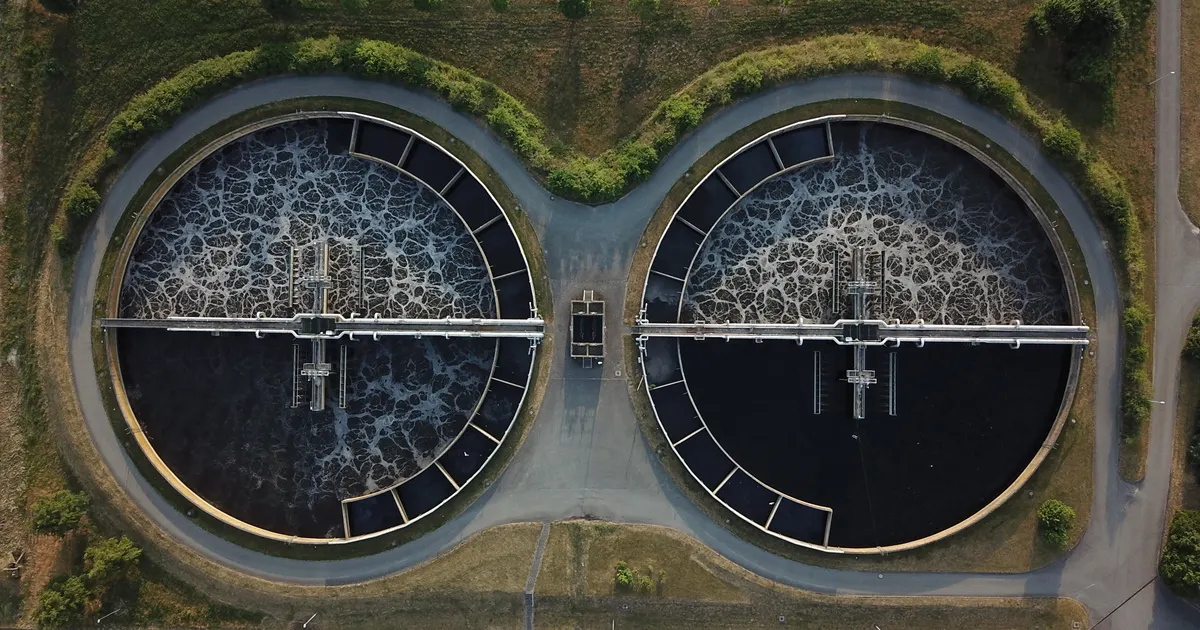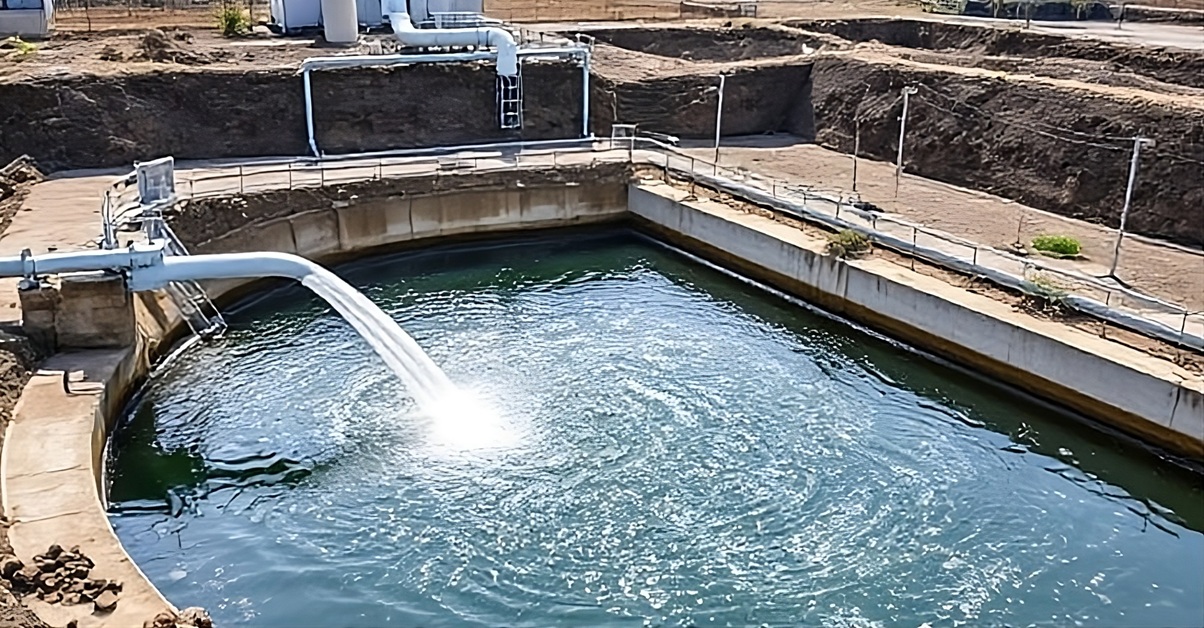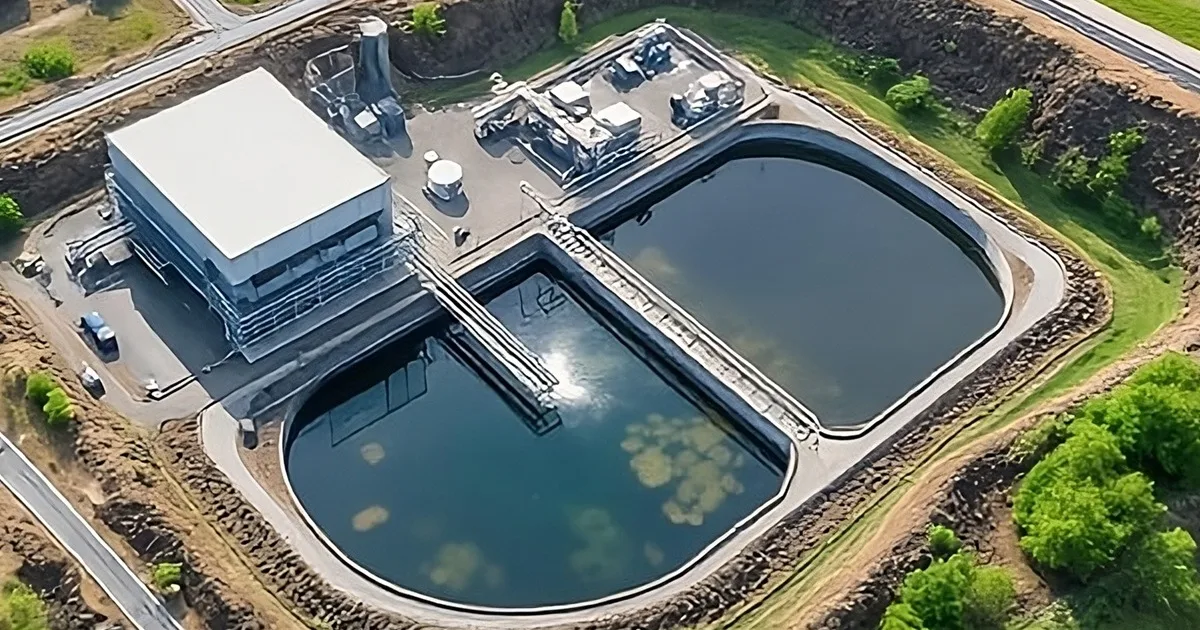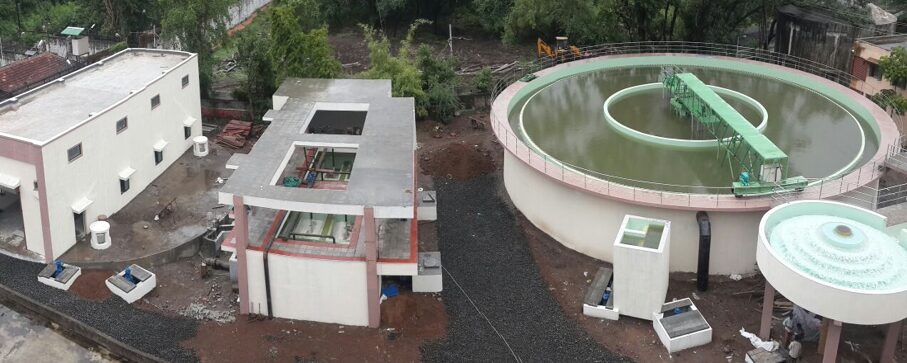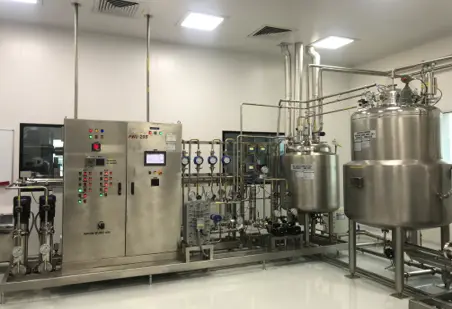
























































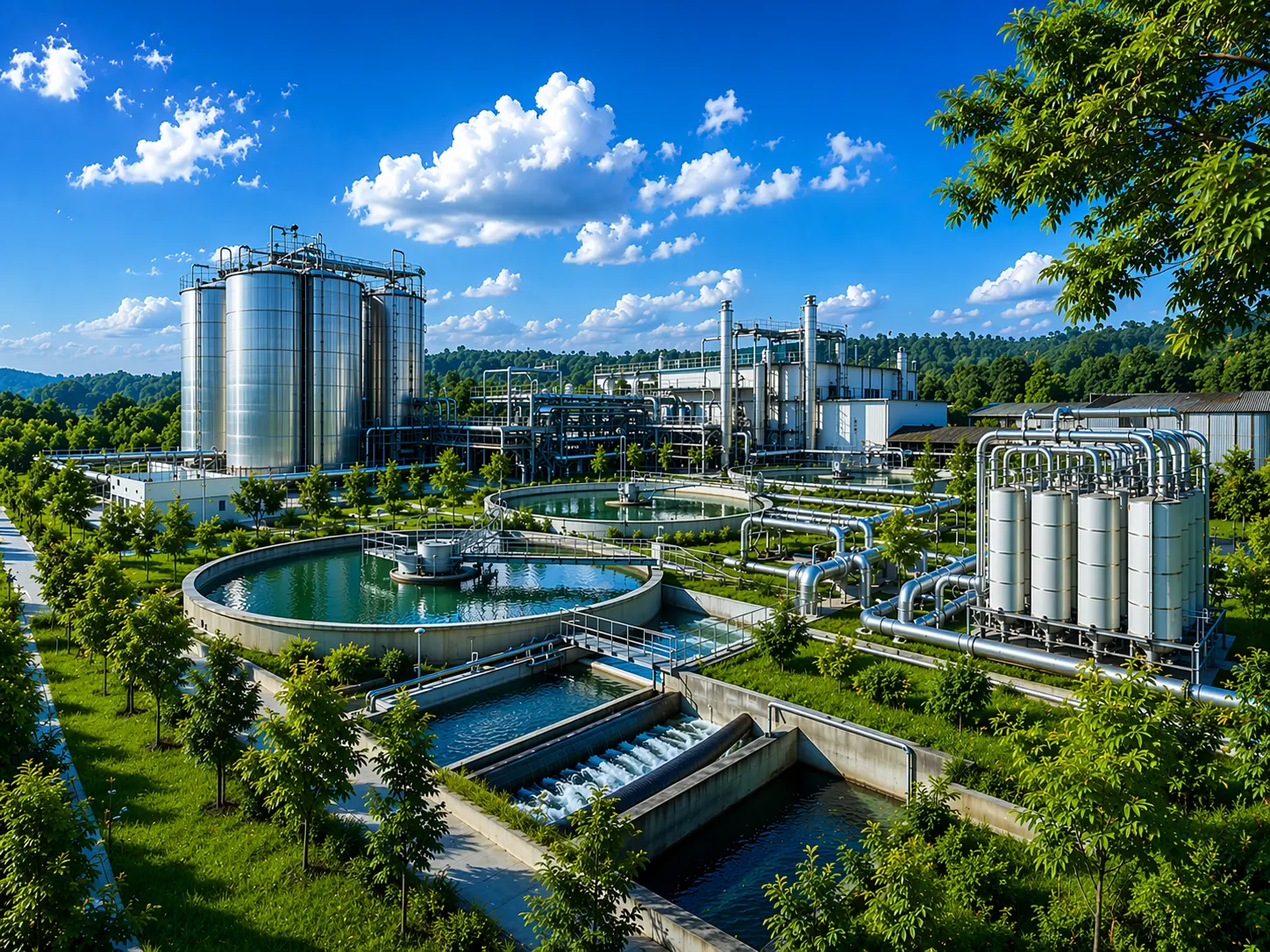
TThe food and beverage industry wastewater treatment process is a critical component of sustainable operations. With increasing environmental regulations and growing demand for eco-friendly production, companies must adopt sustainable wastewater treatment solutions to minimize environmental impact and improve efficiency.
Wastewater generated in the food and beverage sector contains high levels of organic matter, fats, oils, grease (FOG), and nutrients. Implementing effective wastewater management practices helps businesses reduce costs, comply with regulations, and support sustainability goals.
Understanding Wastewater Challenges in the Food and Beverage Industry
Food and beverage wastewater treatment is complex due to varying production processes. Common wastewater characteristics include:
- High biochemical oxygen demand (BOD) and chemical oxygen demand (COD)
- Presence of suspended solids
- Fats,
- oils, and grease (FOG)
- Nutrients like nitrogen and phosphorus
Without proper industrial wastewater treatment, these contaminants can harm ecosystems and lead to regulatory penalties.
1. Source Reduction and Water Conservation
One of the most effective sustainable wastewater treatment practices is reducing water use at the source. Companies can:
- Install water-efficient equipment
- Use dry cleaning before washing
- Recycle and reuse process water
- Monitor usage with smart systems
Reducing water consumption lowers the load on wastewater treatment systems and cuts operational costs.
2. Segregation of Waste Streams
Separating wastewater streams improves wastewater treatment efficiency. For example:
- Isolating high-strength wastewater
- Removing solids before drainage
- Managing FOG-heavy streams separately
This approach enhances the performance of food processing wastewater treatment systems.
3. Pre-Treatment Processes
Pre-treatment is essential in industrial wastewater treatment for food and beverage facilities. Common methods include:
- Screening for large particles
- Sedimentation tanks
- Dissolved Air Flotation (DAF) systems
DAF systems are widely used in food industry wastewater treatment to remove oils, grease, and suspended solids, reducing BOD and COD levels.
4. Biological Treatment Systems
Biological processes are key to sustainable wastewater treatment in the food industry.
Aerobic Treatment
- Uses oxygen for microbial breakdown
- Includes activated sludge systems
- Suitable for moderate organic loads
Anaerobic Treatment
- Operates without oxygen
- Produces biogas for energy recovery
- Ideal for high-strength wastewater
Anaerobic wastewater treatment is gaining popularity due to its ability to generate renewable energy and reduce sludge.
5. Advanced Treatment Technologies
Advanced technologies help meet strict discharge standards and support water reuse in the food and beverage industry:
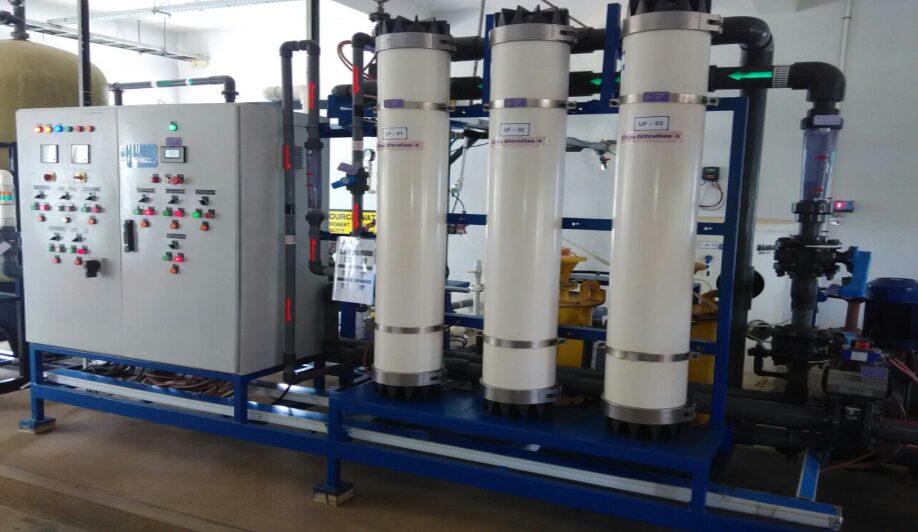
- Membrane filtration (UF, RO)
- UV disinfection
- Advanced oxidation processes
These methods ensure high-quality treated water, supporting sustainable water management.
6. Resource Recovery and Circular Economy
Modern wastewater treatment in the food and beverage industry focuses on resource recovery. Businesses can:
- Generate biogas from anaerobic digestion
- Recover nutrients for fertilizers
- Reuse treated water
This aligns with circular economy principles and improves sustainability.
7. Sludge Management and Disposal
Effective sludge handling is crucial in industrial wastewater management. Best practices include:
- Sludge dewatering
- Composting organic waste
- Safe disposal
Proper sludge management reduces environmental risks and enhances wastewater treatment sustainability.
8. Automation and Smart Monitoring
Digital tools improve wastewater treatment efficiency by enabling:
- Real-time monitoring
- Automated control systems
- Predictive maintenance
Smart technologies optimize food and beverage wastewater treatment systems and reduce energy consumption.
9. Regulatory Compliance
Compliance with environmental standards is essential in industrial wastewater treatment. Companies must meet:
- Effluent discharge limits
- Water reuse regulations
- Environmental reporting requirements
Adopting sustainable wastewater treatment solutions ensures compliance and avoids penalties.
10. Employee Training and Sustainability Culture
A strong sustainability culture enhances wastewater management in the food industry. Companies should:
- Train employees on best practices
- Promote water conservation
- Encourage responsible waste handling
Well-trained staff improve the effectiveness of wastewater treatment processes.
Benefits of Sustainable Wastewater Treatment
Implementing best practices for wastewater treatment in the food and beverage industry offers:
- Reduced environmental impact
- Lower operational costs
- Regulatory compliance
- Improved brand reputation
- Resource recovery opportunities
Conclusion
Adopting sustainable wastewater treatment in the food and beverage industry is essential for long-term success. By integrating advanced technologies, water conservation strategies, and resource recovery methods, businesses can achieve both environmental and economic benefits. dustry is essential for long-term success. By integrating advanced technologies, water conservation strategies, and resource recovery methods, businesses can achieve both environmental and economic benefits.